
Published September 20, 2024
Things Inspectors Check During A Home Inspection

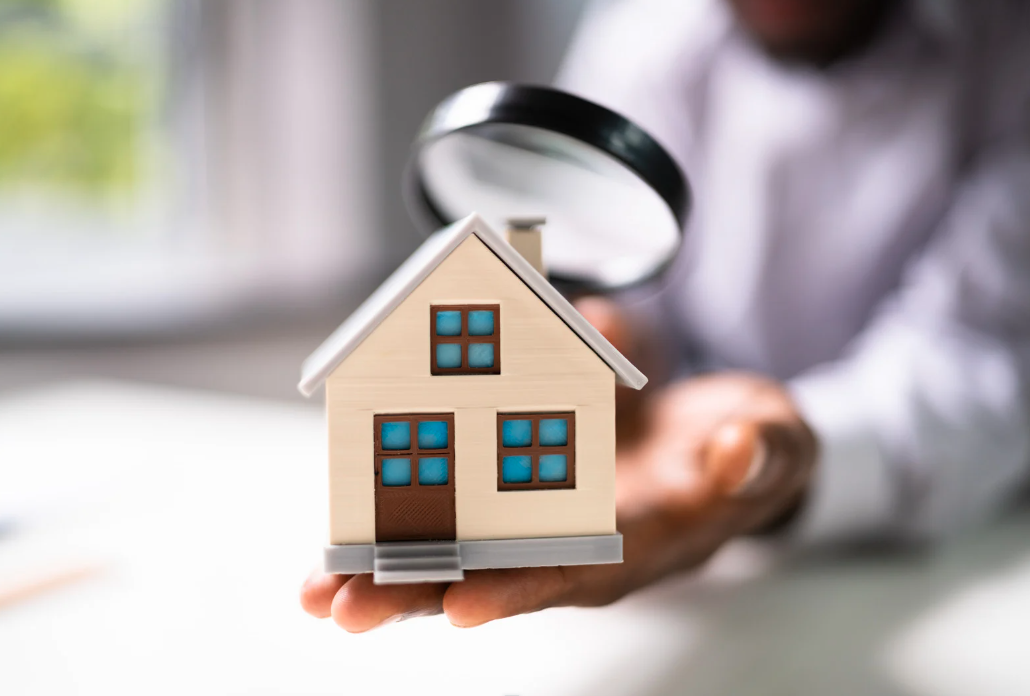

Buying a home is one of the most significant investments you'll ever make, and a home inspection is a critical part of that process. It ensures that you're making a sound decision and gives you insight into the overall condition of the property. Here's what you can expect during your home inspection—your inspector will dive deep into 9 essential areas of the house:
1. Structure:
The “skeleton” of the home is what holds everything together. The inspector will assess whether the foundation, walls, and overall structure are sturdy enough to handle weather, gravity, and time.
2. Exterior:
Your home’s first impression matters! The inspection will include everything from sidewalks and driveways to windows, doors, decks, and even how well the property drains during rain.
3. Roofing:
The roof is one of the most critical elements of a home. The inspector will evaluate its age and condition, checking for any buckling shingles, loose gutters, or potential drainage problems.
4. Plumbing:
Water flow is essential to any household. Your inspector will thoroughly check the plumbing systems, including the water supply, heating, drainage, and any sump pumps. They'll ensure that everything is functioning correctly and not hiding any leaks.
5. Electrical:
Wiring issues can lead to major safety hazards. The inspection will cover everything from wiring, outlets, and fuse boxes to circuit breakers. They'll assess the system's overall safety and if it's up to code.
6. Heating & AC:
The heating, ventilation, and air conditioning (HVAC) system plays a huge role in your comfort and energy bills. The inspector will check the age and efficiency of your water heater, HVAC systems, chimneys, vents, and cooling equipment.
7. Interiors:
From walls to floors, ceilings to stairs, and even cabinetry—your inspector will look for signs of damage, leaks, or construction defects that may have been overlooked.
8. Ventilation & Insulation:
Proper ventilation and insulation are key to a healthy home environment. This part of the inspection will ensure that your home can handle various climates and prevent moisture buildup, which can lead to mold or structural damage.
9. Fireplaces:
While a fireplace adds charm, it can also pose a safety risk. Your inspector will check for creosote buildup, chimney functionality, and overall fireplace safety.

A home inspection gives you the peace of mind to move forward with confidence in your home-buying journey. By knowing what to expect, you’re one step closer to finding the perfect home that’s not only beautiful but structurally sound and safe for your family.